
Air compressors serve as vital components for industrial operations and workshop facilities. They operate tools, machinery, and pneumatic systems, which are used in construction and manufacturing work. The selection of an air compressor requires you to choose between two main types: belt drive and direct drive systems. Both systems possess unique advantages that determine their power transmission abilities from motor to compressor pump, thereby impacting operational efficiency and maintenance needs, financial expenditures, and their appropriate applications.
How Compressor Power Transmission Works
An air compressor uses electrical power from its motor to create compressed air, which is then stored for later use. The transmission system defines how mechanical power moves from the motor to the compressor unit. The two primary systems present in this setup include belt-driven and direct-driven systems.
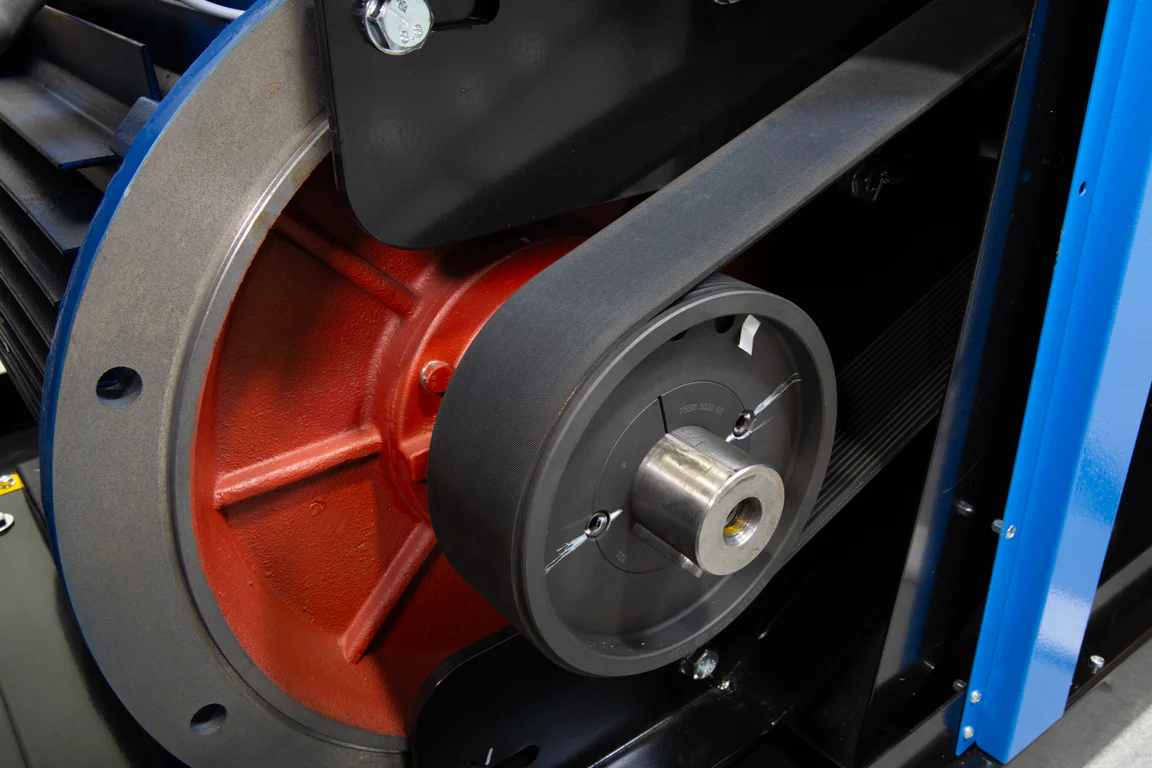
Belt-driven systems use a belt and pulley system that connects the motor with the compressor pump for power transmission. The motor turns, which activates the belt movement to create pump rotation that leads to air compression. Direct drive compressors use a direct motor-to-pump connection, which eliminates the requirement for a belt system.
What Belt Drive Compressors Offer
A belt drive compressor connects its motor to the pump through a belt and pulley system. The system that establishes this connection functions as an established standard that most piston and some rotary screw compressors follow. The main points of interest include:
Quieter Operation: The belt’s flexible design creates a vibration-damping function, which leads to quieter and smoother operation for the equipment.
Lower Initial Cost: Belt drive compressors usually cost less upfront than direct drive models, making them a popular choice for workshops and small shops.
Flexibility: The belt system allows compressors to adjust their operational speed and pressure levels based on the selected belt and pulley system arrangement.
Belt drive systems come with certain disadvantages that present challenges for their operation. The belt exists as a consumable part that requires ongoing assessment both for its tension status and its replacement schedule. Improper belt maintenance combined with improper tension results in operational problems, which may lead to complete system breakdowns. The combination of heat, dust, and vibrations in harsh environments causes belts to experience faster wear.
What Direct Drive Compressors Bring to the Table
Direct drive compressors function without the use of belts or pulleys. The motor shaft connects directly to the compressor pump crankshaft, which causes both components to operate at identical rotational speeds. This configuration provides multiple advantages, which include:
Fewer Parts to Maintain: The absence of a belt system eliminates the necessity for both tension checks and wearable part replacements. The process of maintenance becomes easier because all maintenance activities create less work than before.
Greater Efficiency: Direct power transfer enables systems to minimize energy waste, which occurs during component handoffs. More of the motor’s effort goes straight into compressing air.
Compact Size: Direct drive compressors achieve enhanced space efficiency because they do not require any room for belts and pulleys.
Lower Downtime: The fewer moving parts in equipment systems result in reduced failure points, which means systems operate with greater reliability. This results in better overall system performance because fewer failures occur.
Direct drive systems present higher expenses at the time of purchase. The repair costs for mechanical problems rise because the system components function as more tightly integrated assemblies.
How to Pick the Right Compressor for Your Needs
The decision between belt-driven and direct-driven compressors requires you to answer several critical questions about your intended usage of the equipment.
What is your air demand?
Assess your requirements for compressed air while considering both your equipment usage frequency and demand variations. The CFM requirement for your tools should be calculated using their total cubic feet per minute, which should then include an additional amount for upcoming needs.
How important is uptime and reliability?
A direct drive compressor provides an operational advantage through its efficient design and straightforward system, which enables continuous power output throughout the day for facilities needing regular production.
Are maintenance and downtime a concern?
Belt drive compressors can operate reliably, but their belt system requires regular checks to maintain proper tension levels. The initial costs of direct drive systems become justified for situations where any downtime leads to significant operational losses.
What about noise and the working environment?
Belt drive compressors produce less noise because their belt system reduces vibration transmission. The system provides a beneficial feature for noise-sensitive locations.
What are your budget considerations?
Belt drive compressors offer a lower cost option, which smaller shops find attractive when they need to make budget-conscious purchases. Direct drive systems require higher initial costs, but their operational costs decline due to energy efficiency improvements and reduced repair needs.
Final Thoughts
Workshop spaces and industrial sites require both belt drive and direct drive compressors for their operational needs. Belt drive models remain relevant for jobs where flexibility, lower initial cost, and quieter operation are priorities. The combination of direct drive systems offers efficient performance, straightforward maintenance, and space-saving design, making them ideal for areas that require ongoing dependable functioning.
The selection of an air compressor system requires knowledge about system operations and their strengths because this knowledge enables smooth operational processes and increased work efficiency.

