
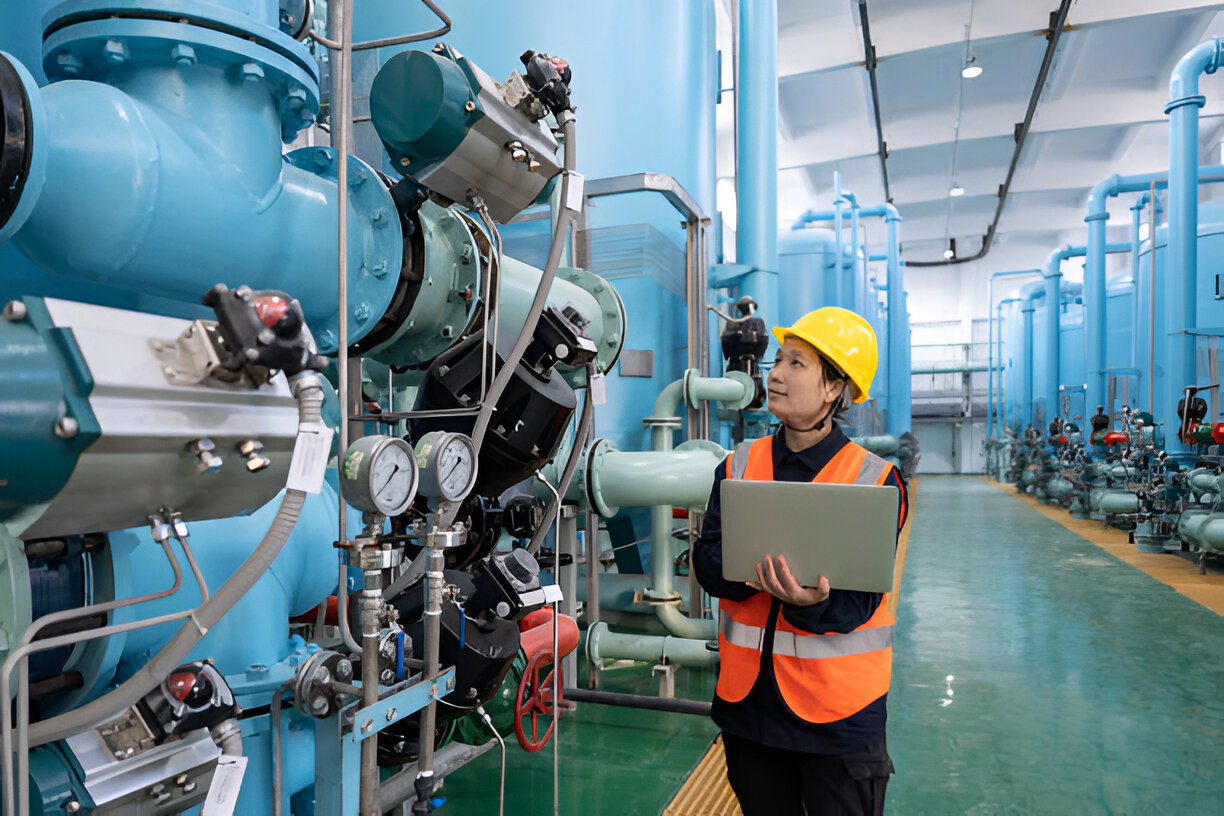
The movement of heavy industrial equipment across international borders is one of the most complex challenges in modern supply chain management. Unlike consumer goods, which are often uniform, high-volume, and relatively easy to handle, industrial machinery is defined by its scale, weight, sensitivity, and mission-critical nature. Navigating this landscape requires more than just standard transportation knowledge; it demands a sophisticated understanding of engineering, international law, regulatory compliance, and risk management. For companies that rely on heavy assets, the logistics operation is not merely a cost center but a fundamental component of the project lifecycle.
The Complexity of Oversized and Specialized Cargo
Industrial equipment often exceeds the size and weight limitations of standard shipping containers. This reality necessitates the use of specialized shipping solutions, such as flat racks, open-top containers, or break-bulk vessels. The transition from factory floor to final destination involves multiple touchpoints, each presenting a potential point of failure.
-
Dimensional Analysis: Precise measurement is the primary defense against logistical error. Any discrepancy in length, width, height, or center of gravity can cause significant delays during loading or transit.
-
Loading and Securing: Heavy machinery requires custom-built cradles, blocking, and bracing to prevent shifting during maritime or terrestrial transport. This is not just a safety requirement; it is a structural necessity for the equipment itself, which may be sensitive to vibration and G-force impacts.
-
Specialized Handling Equipment: The utilization of heavy-lift cranes, specialized modular trailers, and low-boy trucks is often required to move machinery from the port of entry to the remote or constrained industrial site.
Mastering International Regulatory Frameworks
Moving equipment across borders is governed by a dense web of international regulations. Compliance is not optional; failure to meet these requirements can lead to massive fines, the seizure of assets, or years of project delays.
The Role of Customs and Trade Compliance
Each country maintains unique standards for importing capital equipment. These include specific tariff classifications, safety certifications, and documentation protocols. A single error in the bill of lading or a missing declaration can trigger a customs hold. Firms must maintain rigorous documentation, including certificates of origin, detailed commercial invoices, and technical specifications that prove compliance with local electrical, safety, and environmental standards.
Infrastructure Constraints and Permits
Global logistics for industrial equipment is constrained by the physical limits of the infrastructure. A route that is viable for a standard shipment may be impassable for heavy machinery. Bridges may have weight limits, tunnels may have height restrictions, and rural roads may not have the turning radius necessary for oversized vehicles. Navigating these constraints requires meticulous route surveying and the procurement of specific transport permits from every jurisdiction the equipment passes through.
Risk Management and Insurance Protocols
Given the high value of industrial equipment, the financial exposure involved in international transport is enormous. A single incident—be it a dropped turbine, a crushed frame, or exposure to seawater—can result in catastrophic project failure.
Cargo Insurance vs. Freight Liability
Most logistics providers offer limited liability coverage based on the weight of the shipment. This is almost never sufficient for high-value industrial equipment. A comprehensive cargo insurance policy must be secured, specifically covering total loss, partial damage, and the inherent risks of marine and inland transport. This insurance must be carefully negotiated to cover not only the value of the machinery but also the costs associated with delays, inspection, and potential rework.
Environmental and Climate Controls
Certain industrial components are extremely sensitive to humidity, salt air, and temperature fluctuations. In such cases, vacuum-sealing, VCI film, or climate-controlled containers are necessary. The logistics plan must specify the level of protection required during each stage of the journey, particularly when the equipment is sitting in intermediate storage yards or awaiting transshipment.
Building a Resilient Supply Chain
Modern logistics for industrial equipment is shifting from a reactive model to a proactive, integrated system. The reliance on legacy methods, such as paper-based tracking, is increasingly unsustainable.
Digital Twins and Real-Time Tracking
The use of Internet of Things sensors provides real-time visibility into the status of the cargo. These sensors can monitor shock, tilt, temperature, and humidity, sending alerts to logistics managers if parameters are exceeded. By creating a digital twin of the shipment, project teams can simulate various transport scenarios and identify potential bottlenecks before the equipment leaves the factory.
Vertical Integration and Strategic Partnerships
The most effective industrial logistics operations are those that integrate the manufacturer, the logistics provider, and the end-user into a single stream of communication. By treating the logistics partner as a strategic extension of the engineering team, companies can ensure that the equipment is designed with its eventual transit in mind—a concept known as design-for-logistics.
Managing the Human Element and Field Coordination
Even the most advanced technology cannot replace the expertise of seasoned field specialists. The final mile of delivery is often the most hazardous. This phase requires local knowledge to coordinate with local police escorts, power companies (to lift utility lines), and specialized heavy-haul operators. The human element ensures that when the equipment arrives, it is handled with the appropriate caution to preserve its operational integrity.
Scaling these efforts across global regions requires a standardized operating procedure that is adaptable to local realities. Whether operating in highly developed industrial corridors or emerging markets, the core principles of safety, compliance, and transparency remain the bedrock of successful delivery.
Frequently Asked Questions
How does maritime cargo classification affect the cost of shipping industrial equipment?
Maritime freight rates for heavy equipment are often calculated by volume or weight, whichever is greater. Because industrial machinery is often dense, weight is the primary driver, but the need for non-containerized space on a ship—known as break-bulk shipping—is significantly more expensive than standard container rates.
What is the importance of a pre-shipment inspection for industrial assets?
A pre-shipment inspection serves as the legal and technical baseline for the condition of the equipment before it enters the logistics chain. This report is vital for insurance claims; without a certified inspection, proving that damage occurred during transit rather than prior to departure is nearly impossible.
Are there specific logistics strategies for moving equipment to remote or off-grid locations?
Moving equipment to remote sites often requires a multimodal approach involving barges, temporary road construction, or even air freight for critical components. The strategy involves a detailed site survey of the final delivery path to ensure the equipment can physically reach the foundation.
How do geopolitical tensions affect the cost and security of industrial logistics?
Geopolitical instability can lead to sudden changes in customs regulations, port closures, or the need for rerouting. This uncertainty increases the cost of insurance and requires logistics providers to have multiple contingency routes to ensure the security and continuity of the supply chain.
Why is it often better to use a dedicated freight forwarder rather than the shipping company directly?
While shipping companies provide the transportation asset, a specialized freight forwarder acts as a project manager. They navigate the complexities of documentation, customs, and multimodal transfers, providing a single point of accountability for the entire door-to-door process.
What role does packaging design play in global industrial logistics?
Proper packaging is not just for protection; it is for optimization. Engineering packaging to be stackable, modular, or easier for cranes to lift can drastically reduce the footprint and the number of lifts required, which directly decreases both cost and the risk of accidents.
What documentation is absolutely essential for avoiding customs delays?
Beyond the standard commercial invoice and packing list, a Certificate of Origin and a detailed technical specification sheet are critical. For highly complex machinery, a breakdown of components with Harmonized System codes is necessary to facilitate rapid classification and clearance.

