
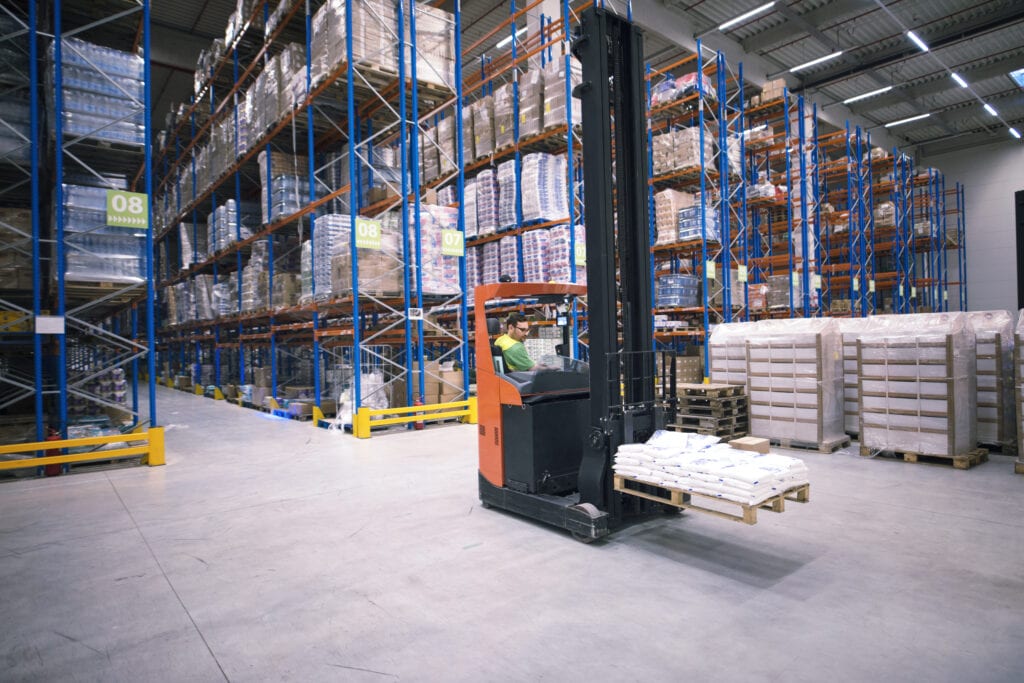
In today’s fast-moving business environment, flexibility often matters more than ownership. For many growing businesses, startups, and even established companies, deciding whether to rent or buy a warehouse is a critical choice. While owning property may sound appealing, it is not always the smartest move—especially when business needs are evolving. This is where renting becomes a practical and strategic option.
In many cases, choosing a warehouse for rent allows businesses to operate efficiently without heavy financial pressure. It provides the space needed for storage, logistics, or distribution while keeping operations agile. For young entrepreneurs and expanding companies, renting can offer both freedom and financial stability at the same time.
Lower Initial Investment and Better Cash Flow
Buying a warehouse requires a large upfront investment. This includes purchase costs, registration fees, maintenance expenses, and long-term financial commitments. For small and mid-sized businesses, this can strain cash flow and limit growth opportunities.
Renting, on the other hand, allows businesses to preserve capital. Instead of locking funds into property, that money can be used for inventory, marketing, hiring, or technology upgrades. A warehouse for rent helps businesses manage expenses more effectively while keeping funds available for day-to-day operations and expansion.
Flexibility to Scale with Business Needs
Business requirements change over time. A company may need more storage during peak seasons or less space during slower periods. Owning a warehouse limits flexibility, as resizing or relocating becomes complex and expensive.
Renting offers the advantage of adaptability. Businesses can upgrade to a larger space, move closer to customers, or shift locations based on operational needs. This flexibility is especially valuable for businesses dealing with imports, exports, or seasonal demand fluctuations.
Reduced Maintenance and Management Responsibility
Owning a warehouse means taking full responsibility for maintenance, repairs, security systems, and infrastructure upgrades. These tasks can be time-consuming and costly, often distracting business owners from their core activities.
With a rented warehouse, most maintenance and facility management responsibilities are handled externally. This reduces operational stress and allows businesses to focus on growth, customer satisfaction, and supply chain efficiency rather than property upkeep.
Faster Setup and Operational Readiness
Time is critical in competitive markets. Purchasing a warehouse often involves lengthy legal processes, approvals, and setup delays. This can slow down business plans and impact market entry.
A warehouse for rent typically offers quicker access and ready-to-use facilities. Many rental warehouses are designed to support logistics, storage, and distribution needs, allowing businesses to start operations faster and respond quickly to market opportunities.
Ideal for Startups and New Market Entrants
For startups and businesses entering new markets, uncertainty is common. Committing to property ownership at an early stage can be risky if market conditions change or growth does not happen as planned.
Renting provides a safer entry point. It allows businesses to test operations, understand demand, and build confidence before making long-term commitments. This approach reduces risk while offering the necessary infrastructure to operate professionally.
Access to Strategic Locations Without Long-Term Risk
Prime warehouse locations often come with high property prices. Buying in such areas may not be feasible for many businesses. Renting makes it possible to operate from well-connected and business-friendly zones without the burden of ownership.
This access can improve supply chain efficiency, reduce delivery times, and enhance customer satisfaction—all without long-term financial exposure.
Conclusion: Renting as a Smarter Business Choice
Choosing between renting and buying depends on business goals, financial capacity, and growth plans. For many modern businesses, renting offers greater flexibility, lower risk, and better financial control. A warehouse for rent supports scalability, reduces operational burdens, and allows businesses to adapt quickly in a competitive market.
For companies focused on growth, efficiency, and smart resource management, renting often makes more sense than buying. It is not just a cost-saving decision it is a strategic move that aligns with today’s dynamic business landscape.

