
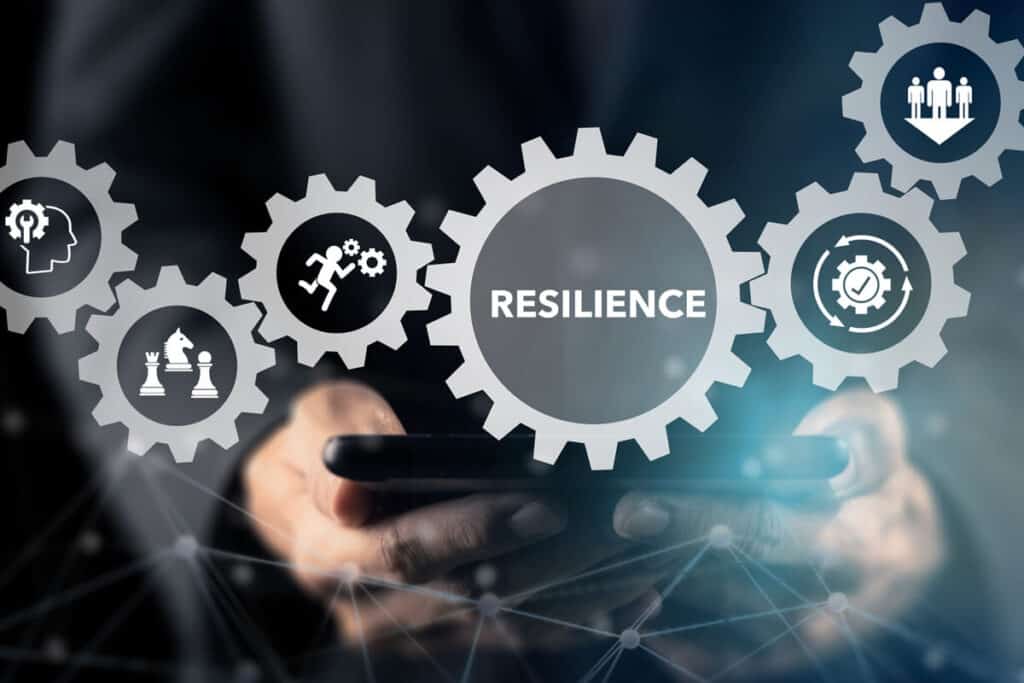
In the modern corporate landscape, the prevailing mantra has long been that speed is the ultimate competitive advantage. Companies are obsessed with being first to market, optimizing for rapid deployment, and disrupting industries through sheer velocity. However, this fixation on speed often masks a dangerous vulnerability. When organizations prioritize pace above all else, they frequently sacrifice the structural integrity required to weather inevitable shocks. In contrast, business resilience—the capacity to absorb, adapt, and recover from disruption—is not just a defensive trait; it is a fundamental pillar of long-term sustainable growth.
The Illusion of Speed as a Competitive Edge
Speed is undoubtedly valuable in specific contexts. Being first to identify a consumer need or launching an innovative product can capture market share. Yet, speed without a stable foundation is akin to a race car driver hitting top speeds without checking the condition of the tires. If the infrastructure supporting the business—its supply chains, financial health, employee well-being, and operational processes—is brittle, even a minor market fluctuation can cause a catastrophic failure.
Many high-speed growth companies operate on a razor-thin margin of error. They are optimized for perfect conditions. When an unforeseen event occurs—such as a global pandemic, a sudden shift in regulatory policy, or a significant technological disruption—these companies are the first to fracture. Their processes are so lean and fast that they lack the redundancy necessary to absorb the impact. Resilience, by definition, acknowledges that disruption is inevitable. It focuses on building systems that can bend without breaking.
Understanding Business Resilience
Business resilience is the strategic ability of an organization to anticipate, prepare for, respond to, and adapt to both incremental change and sudden, disruptive events. It is a holistic approach that permeates every department, from finance and IT to human resources and operations.
Resilience is not about avoiding failure; it is about maintaining core functionality while under extreme stress. It involves developing multiple paths to success so that if one fails, the organization can quickly pivot to another. It requires a mindset that values long-term viability over short-term metrics.
Key Pillars of a Resilient Enterprise
-
Financial Buffers: Maintaining healthy cash reserves and manageable debt levels provides the space needed to navigate downturns without resorting to desperate measures.
-
Operational Agility: Cultivating a culture where teams are empowered to make decisions and adapt workflows on the fly, rather than waiting for top-down direction during a crisis.
-
Supply Chain Diversification: Avoiding single-source dependencies ensures that if one supplier faces issues, the business can continue to produce or deliver services.
-
Talent Retention and Flexibility: A resilient business invests in its workforce, ensuring employees are cross-trained and emotionally prepared to handle the pressures of constant change.
-
Robust Risk Management: Moving beyond static risk assessments to continuous scenario planning allows leaders to anticipate potential threats before they materialize.
The Hidden Costs of the Speed-First Mindset
When speed is the primary KPI, organizations often incur significant hidden costs. The most prominent is the erosion of quality. When teams are pressured to deliver at breakneck speeds, shortcuts are taken. Technical debt accumulates in software development, quality assurance protocols are truncated, and customer support becomes reactive rather than proactive.
Furthermore, a culture that prioritizes speed often leads to employee burnout. Constant pressure to work faster results in high turnover rates. Losing institutional knowledge and experienced staff is perhaps the most significant blow to resilience. A company that is constantly replacing its staff is a company that lacks the stability to learn from its past mistakes. Resilience requires people, and people require an environment that allows for sustained performance rather than temporary spikes in output.
Resilience as an Engine for Long-Term Value
There is a misconception that resilience is slow. While resilience requires deliberate preparation, it does not mandate sluggishness. In fact, true resilience often increases the effective speed of an organization. By having clear protocols for disaster recovery, established backup suppliers, and well-integrated teams, a resilient company spends significantly less time paralyzed by confusion when a crisis hits.
A resilient business can move forward with confidence even when the environment is uncertain. Competitors that are overly focused on speed often find themselves frozen when faced with complex challenges because they lack the necessary framework for decision-making under stress. Resilience provides the clarity that allows a company to remain focused on its mission while others are distracted by the chaos.
Developing a Culture of Adaptive Strategy
Moving toward resilience requires a shift in leadership philosophy. Executives must move away from the expectation of constant, linear growth at high speeds and start incentivizing stability, learning, and adaptability. This means celebrating the times when a team successfully navigated a crisis just as much as celebrating a successful product launch.
It also means incorporating stress-testing into the annual planning cycle. Instead of asking how to grow by 20 percent, leaders should ask what would happen if revenue dropped by 30 percent, or if a key technology platform became unavailable for a week. By answering these questions proactively, the company builds the “muscle memory” required to respond effectively when the scenario becomes reality.
The Intersection of Technology and Resilience
Technology is a double-edged sword regarding resilience. While automation and digital transformation can enhance a company’s ability to monitor environments and respond rapidly, they also introduce systemic risks. Over-reliance on a single cloud service or an interconnected software ecosystem can create a single point of failure that ripples through the entire company.
Building digital resilience requires a proactive strategy that includes decentralized data storage, robust cybersecurity, and a clear understanding of the dependencies within the technological stack. The goal is to build a digital architecture that can operate in a degraded state if necessary, ensuring that the business stays online even when the primary infrastructure experiences interruptions.
Conclusion
The pursuit of speed has its place, but it should never be the overriding objective at the expense of structural health. Business resilience provides the foundation that enables a company to survive, thrive, and ultimately move faster in the right direction. By investing in redundancy, nurturing a versatile workforce, and maintaining a focus on long-term viability, leaders can ensure that their organizations are built to last rather than merely built to race.
Frequently Asked Questions
1. How does business resilience differ from simply having a risk management plan?
While risk management focuses on identifying and mitigating specific threats, resilience is the broader organizational capability to maintain functionality during any disruption, even those that were not explicitly predicted.
2. Can small businesses afford to prioritize resilience over speed?
Yes, and it is arguably more critical for small businesses. Small companies have less margin for error, and a single disruption can be terminal. Resilience helps them survive long enough to achieve growth.
3. What is the role of leadership in fostering a resilient organization?
Leadership must set the tone by valuing long-term outcomes over quarterly results, encouraging transparency, and empowering employees to take initiative during unexpected situations.
4. How can a company measure its level of resilience?
Measurement involves tracking recovery times after minor disruptions, the health of supply chains, the ability of teams to adapt to sudden changes, and the consistency of financial performance during volatile periods.
5. Is there a point where an organization becomes “too resilient” and loses its competitiveness?
Over-prioritizing resilience can lead to bureaucracy and excessive caution. The goal is balance; companies must remain agile enough to innovate while possessing the structural stability to endure setbacks.
6. How has remote work impacted the need for business resilience?
Remote work has increased the need for resilient communication infrastructure and distributed team management, as physical centralization is no longer a safety net for operational continuity.

